
Ten Journeys Read online
Page 11
As I come out, Newton’s over there by the kitchen shaking his head serenely, as one of Louise’s friends weeps.
Suddenly I get an urge. I could tell Newton. He’s medical, he would be able to tell me if I was foolish. A father, he could understand my fears with Daniel, could tell me if any of my worry is well founded.
Sympathetic and compassionate, though, I will say nothing.
Louise’s mother is across in the conservatory. She sees me, and nods sadly and I nod back. I hadn’t realised I’d been concerned about a scene until I feel the relief wash through me.
The woman with Newton starts to leave him alone, and he comes over to me. Daniel, at the same moment, comes in the room with a full rucksack.
Oh, Christ, no. Surely that’s not what I think it is.
“Hi, Daniel,” Newton says. He looks confused, so he’s definitely not privy to the conversation Daniel and I had a little over half an hour ago, “you not unpacked yet?”
Daniel looks over his shoulder as though he’d forgotten the rucksack was there. “Oh, that. It’s just my stuff, Dad says I can come live with him.”
Oh fuck.
“Daniel, I…” I open my mouth, but I don’t actually know what I’m going to say. Newton looks confused and a little hurt, so I change my audience. “Look, we haven’t decided anything yet, we just had a short chat – he asked, and I….”
Now it’s Daniel who looks hurt, like he’s going to crumple right there. No, shit, no. I can’t have that.
“Daniel, listen,” and he turns his face away. Don’t cry, please don’t cry. I bend down and hold both his shoulders and look at him. “Daniel, I do want you to come stay with me. I really would love that, more than anything else. Kathy too. But we have to talk it through with Newton first. I didn’t necessarily mean today.” God, that sounds like a cop-out.
Daniel, a little wounded, looks from me to Newton and back again, as though it’s only just dawned on him that this is bad timing. So he is my son after all.
“OK,” he mumbles at the floor.
Newton nods a measured nod, “it’s a tough day today Daniel. Tell you what though, we’ll get together next week and talk through what to do, OK?” he says, securing his place on the list of the world’s most reasonable men.
I catch Newton’s eye, and he doesn’t look hurt any more, nor angry. He looks rather blank all in all.
Daniel now looks unsure, he doesn’t believe me. I know it, and I know why. I’ll give it another go. “Daniel,” I start, but that’s about the fifth time we’ve used his name directly this minute, and it’s starting to sound silly, “I moved up here to be closer to you. It would be brilliant if we could work something out about moving. But you, Newton and me need time to get over today – it’s been a tough morning.” He looks like he’ll cry, but this time it’s more like grief. “You can come stay with me tonight though, I don’t mind. You just choose. I can bring you back tomorrow if that’s what you want, or you can stay here.” I glance at Newton to check, and he doesn’t seem to mind.
Daniel looks at him, and then looks across to the corner of the room. Thomas, his two-year-old brother comes toddling over and holds on to his leg. Daniel puts his rucksack down. “I think I’d better stay here, actually,” he says, as Thomas grins up at him and attaches himself round his leg. Thomas hoists himself up on to his shoe, so he’s fully hanging off Daniel. “Come on Thomas, I’m hungry,” he says brightly, for the child’s benefit, and swings his leg, Thomas clinging to his leg like a limpet, and makes his way to the buffet.
I turn to Newton, a dim, proud smile on his face. “Look, I’m sorry, I shouldn’t have come. That wasn’t as it… I’m so bloody clumsy.”
He shakes his head. “Not at all. Daniel needs you about.” Then he shakes my hand firmly, and says, with conviction I think I could never manage – “if he decides he wants to move back, then he can, you know, I understand. If he doesn’t, he’s welcome obviously; I love having him around, as do the boys. But you’re welcome too, whenever you, or Daniel, need” .
It’s all too much for me this. I’m too emotional – I should have been in that funeral and let it flow out. Instead, I turn my head away to stifle the hint of arriving tears, and look over at Daniel. Sympathetic and compassionate, his mother’s son.
5
At the
Rawlings’
Place
Paul Burman
Author
Paul Burman was born in Northamptonshire, England, but currently lives in Victoria, Australia. Paul Burman’s debut novel The Snowing and Greening of Thomas Passmore was published by Paperbooks in 2008. Paul has worked in a winebottling factory, a deep freeze, a plumbing warehouse, as a maize ‘castrator’ in the south of France… and once had a newspaper round until a neighbour’s dog bit him. Having decided to never become a teacher, he became a teacher and has been learning how to teach English and Literature ever since. Paul has been compulsively reading and writing fiction from the age of six, following a childhood indiscretion in which he was caught inadvertently telling the truth. Making up stories has remained a happy obsession ever since.
There used to be a house there, but not anymore. They knocked it down years ago. Piled all the timbers together and burned the lot. Brought in a bulldozer to clear the rubble. I’d like to have seen that. There’s something healing about flames. I could’ve done with being there and watching it burn.
It’s been an empty block ever since, isolated here on the edge of town; trying to drift away but attached by a raw and bloody thread all the same. And although I say it’s empty, it isn’t empty of course. Apart from all those nettles and brambles scrambling through the dead orchard at the side, there are those dark walls of cypress and the wild memories that still fly back to nest there, even now.
After Mrs Rawlings died and the place fell into disrepair, we spent whole evenings, entire weekends, scaling the buttresses and crawling along the ramparts of those trees. Claimed them as our own did Kaz, Tad and me. For a short while, they became our territory, our castles, our sanctuary. At eleven and twelve years old, what better way to explore the world than to clamber up and twist our way through the branches? To conquer each new crow’s-nest, learning the rough gnarls and accommodating smoothness, the inaccessible prickliness and welcoming embrace of each one?
Sometimes, we’d spend days swinging around, hanging upside down by our legs, teasing the feral cats that haunted the wilderness below, playing Hide-and-seek and Feet-can’t-touch-the-ground among the darkness and shadows and the sweet scent of sticky resin. Sometimes, we’d forget about the trees for cold, rainy weeks at a time, but then we’d return and they’d still be there, waiting for us like the oldest and most understanding of friends.
It’s still a huge block, but not quite as large as I remember. The world looks bigger when you’re a child, I guess, even if it seems more conquerable too. All the same, though it’s got far more land than you’d ever get your hands on in the city, where developers would dump several units on it quick as a flash, noone’ll buy it. Not this block. Not here. Not for a generation or two at least. People grow big memories when they live in small towns. And there are some things that refuse to be forgotten, no matter how hard you try, no matter how far away you live.
That spring, I was only three weeks shy of my thirteenth birthday and more excited than I could ever admit to at the idea of becoming a teenager. It seems a silly thing now, but everyone – Mum and Dad, my brothers and sisters, Gran and Pop, my aunties and uncles – made the biggest noise about becoming a teen, so that, even though I got into the habit of pretending I couldn’t give a stuff, really I felt possessed by the sense of being on the brink of something new. Something different, momentous, and special.
Only friends like Kaz and Tad didn’t harp on about it, but probably because they were being put through the same fuss by their families. That spring, I felt as if I was about to leave the plainness of childish things behind and discover the thrilling, steeper contou
rs of a more exciting world. In my head, I associated it with being taken seriously, having more freedom; with warm, sunny, adventurous days, after the cold grey of winter.
Until around this time, old Mrs Rawlings’ house and its gardens had remained as much an occasional feature of Kaz’s and my childhood landscape as the Milk Bar where we bought our lollies, the tiny Primary School we’d not long finished attending and the few wide streets of this small town of ours, stuck squat in the vast emptiness of the Western Plains. What a place to grow up in. There was nothing outside the town, beyond the town, other than this sweep of enormous paddocks stretching wide and flat in every direction, towards whichever horizon you’d care to stare at. An environment which, even now, depends on the diminishing peaks from that distant range of power pylons, stretching from one infinity to another, to break the insane monotony of its flat immensity and lend it some other form of definition.
Later – during the summer which followed that spring – there were days when the sky too, in mirroring the plains beneath it, seemed impossibly broad and impossibly high. It became too easy to imagine such a sky drifting further and further away from such a land, simply because there was nothing on this earth that could anchor one to the other. Nothing.
There were times when Kaz and I would look at those horizons and fantasise about the places that lay beyond, further than we could see. We’d dream and tell each other stories about how one day we’d move there, even if our imaginations relied on TV programmes and films to shape them.
She might’ve told me that one day she’d live in a big house by the sea, with a small, private beach. I’d have probably described to her the mountain lodge I’d one day own and how it would be surrounded by drifts of winter snow and how we could go skiing anytime we wanted. We’d live in a forest or on a mountain or by the sea, in a place where the seasons played in keener harmony with the landscape, and in which exotic pleasures, like skiing or reef-snorkelling, would become commonplace. Sometimes Kaz would fit into my picture and sometimes I’d fit into hers, but usually it didn’t matter because we’d known one another forever and, after all, we were just kids.
Up until that spring, Kaz had always been a part of my life. Our mums had been good friends and I guess we must’ve learnt to crawl together. I imagine us being parked in our prams side-by-side as they drank coffee and nattered, as Mum used to call it.
When we weren’t squabbling with our brothers or sisters, Kaz and I played together in one another’s garden or house or garage. She had a Wendy house and I had a wig-wam. She had a swing and I had a sandpit. She had dolls and I had model soldiers.
When we were four or five, we made a tent in the middle of her lawn. We threw a picnic blanket and a tablecloth across the swing rails, clipped in place with clothes pegs, and set up house there. We had shoeboxes for cupboards, her tea set with real water in the teapot, and a box of Smarties to share and lick and turn into lipstick or teabags. It must’ve been a fine, summery day because I still remember the bright chequered light as she sat cross-legged opposite me and I remember the lush smell of freshly cut grass. However, what I chiefly remember is how we decided, in those moments of sitting in front of one another, that we’d marry each other one day, when we were old enough. Definitely. It was the easiest decision in the world.
“You’ll be my husband,” she said.
“And you’ll be my wife.”
She’d have giggled at that, but then said: “Promise?”
“I promise.”
“But not until we’re old enough.”
“Not until we’re eleven or sixteen and we’re allowed to. And then we’ll travel around the world together.”
It seemed the most natural thing to agree upon, and it wasn’t something we, or our parents, forgot about for a couple of years at least. In fact, it probably only drifted into one of those jumbled corners of childhood memory because it was supplanted by something more significant, like the memory of that time we played doctors and nurses, or the time she borrowed my penknife and cut open her hand and had to have stitches.
We explored and mapped out our childhood together. Our discoveries were, for the most part, joint-discoveries. And Mrs Rawlings’ place existed on the perimeter of that world. For many years, it was this property that defined how far we were allowed to wander in one direction, whether we were on our bikes or taking her Aunty Nan’s dog for a walk or struggling with roller blades along the grass and gravel. It formed an outer edge of the township, after which the vacuum of the Western Plains might suck us out into the nothingness of space.
I’m not sure what I expected. It’s still a large, rectangular block at the dusty intersection of two rarely used roads, with that shelter-belt of untended cypress running the three sides of the property, carving a large corner from Home Paddock. There used to be a picket fence across the front when Mrs Rawlings was alive, with the privet hedge behind, but she kept it neatly trimmed and lower than the fence. Once she was gone, that soon got out of hand; became wild and thick and tall.
There used to be a driveway just there, leading to a garage, and behind that was a shed, I think. There was a quaint cottage garden out front, here, with brick paths dividing it into sections, and the house was an old, weatherboard place with a wide, return verandah and gable windows in the roof. It wasn’t so very different to many houses in the township, I guess, except for the upstairs windows and its old-fashioned garden, which made it seem like a fairytale cottage to Kaz and me. Mainly, it was Mrs Rawlings herself who made it special to us.
These days, I can vaguely remember what she looked like, although I believe I’d forgotten that spring. She’d died a couple of years back, when I would’ve been about ten, and two years is a vast eternity of its own for a child, whereas twenty-five years becomes nothing for an adult. Time, like distance, is not a constant, whatever they teach you at school.
She was short and slight, with a thin perm of hair that was white rather than grey, and I’ve the impression of her as a generous and kindly person. Although I have a memory of Mr Rawlings too – a man bent double, who leaned heavily on a thick and polished walking stick, with a round face and ruddy cheeks that looked like polished apples – I could’ve only been five or six when he died, long before we’d have ventured that far by ourselves, so maybe I’m manufacturing that memory from next-to-nothing or maybe I saw a photo of him once.
I’ve tried to remember anything I can about Mr and Mrs Rawlings and about how this little town was during our childhood. Anything and everything, from the clattering ring of the doorbell whenever we shoved and pushed our way into the Milk Bar, to the names of all our favourite and not-so-favourite lollies; from the names and nicknames of our neighbours and the occasional drifts of gossip that’d hang like mist across the roof tops for a day or two, to the taste of summer dust storms roaring across the paddocks or the acrid stink of burning-off in the stillness of autumn. And maybe, through doing this, it’s one way of trying to reclaim some small part of what we lost back then, however late, however insignificant.
On the first couple of occasions that Kaz and I found ourselves out by the Rawlings’ place, Mrs Rawlings smiled and greeted us from the other side of her fence and seemed to know who we were. She held onto the fence with one hand as she asked how our parents were and about our brothers and sisters and so on. Then she’d reach into her apron pocket, pull out a small, crumpled, white paper bag and offer us a lolly each.
After that, we often headed in her direction, on our bikes or walking Kaz’s Aunty Nan’s dog, and if Mrs Rawlings was in her garden, pruning her roses, dead-heading hydrangeas or simply wandering after one of her two cats, she’d stop at the sight of us, hobble over to the fence and offer us a mint humbug or lemon sherbet or sometimes a toffee.
“Here, have a mint humbug,” she’d say. And we’d dig our grubby fingers into the bag and pull out a treat. “Give me your wrappers, so you don’t go dropping them.” Then she might tell us about the games she used to play when she w
as our age, the schoolteachers she suffered and the antics she got up to; perhaps by way of forming a connection between her childhood and ours. Or between the girl she could remember being and the person she now was.
Sometimes I regret not spending longer talking with her or asking about her cats, which were clearly dear to her. I regret never offering to cut her lawn or chop wood or trim her hedge or doing anything extra that might’ve shown a fonder degree of respect for her. At the same time, I know this is the adult in me looking back and that, at ten years old, I might not have had the strength to split firewood let alone manage an antiquated lawnmower.
What I really regret, I suppose, is that I didn’t fully realise how good that time of my life was and didn’t grasp onto it more firmly. I regret those things I might’ve known or could’ve known or should’ve known, but didn’t.
Was there an occasion when we noticed that she never appeared in her garden anymore? That she didn’t wave us over and offer us her lollies? Did we worry whether she was unwell or had a fall or whether she’d been carted off to a poorly run nursing home? I doubt it. I can’t imagine we’d ever have noticed or considered such things. Mind, it’s also possible that we only learnt about her death some months later and that there’d been a long period when we hadn’t even adventured out to that corner of town, so wouldn’t have noticed anyway. Like gardens, memories can become overgrown; like houses, they can fall into disrepair.
She’s probably buried in the town cemetery. A weathered headstone among the crop of weathered headstones. If there’s time – now I’m finally here – I’ll wander down to the cemetery and look her up. Mr Rawlings too. They’ll be snuggled together, side-by-side, I imagine. I hope. Maybe I’ll learn their first names and when they were born; maybe I’ll learn the dates of their passing. As if in reinventing my memory of them and reclaiming that part of my past, I can displace all that came after.
 Astounding Stories, March, 1931
 Astounding Stories, February, 1931
 Futuria Fantasia, Spring 1940
 The King's Daughter and Other Stories for Girls
 Uncanny Tales
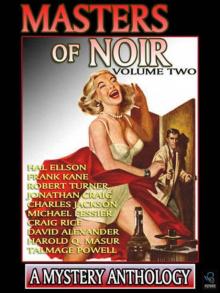 Masters of Noir: Volume Two
 Witty Pieces by Witty People
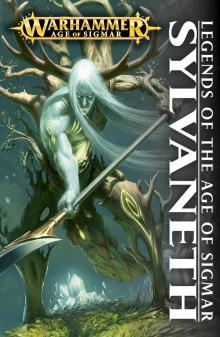 Sylvaneth
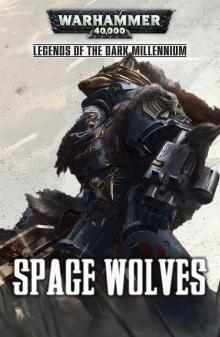 Space Wolves
 Hammerhal & Other Stories
 The Fantasy Fan, March, 1934
 Astounding Stories of Super-Science, August 1930
 Astounding Stories, August, 1931
 The Burden of Loyalty
 Return to Wonderland
 Anthology - A Thousand Doors
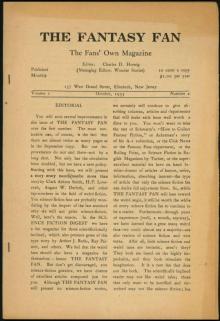 The Fantasy Fan, October 1933
 Astounding Stories, June, 1931
 Southern Stories
 Astounding Stories of Super-Science, May, 1930
 The Fantasy Fan December 1933
 Adventures in Many Lands
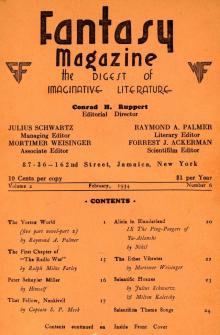 The Fantasy Fan February 1934
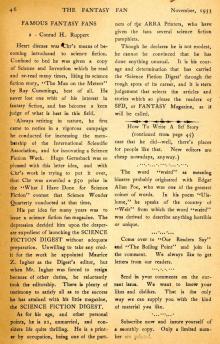 The Fantasy Fan November 1933
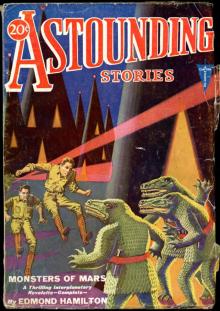 Astounding Stories, April, 1931
 Fame and Fortune Weekly, No. 801, February 4, 1921
 Astounding Stories of Super-Science, November, 1930
 Astounding Stories of Super-Science January 1931
 A Monk of Fife
 Astounding Stories of Super-Science September 1930
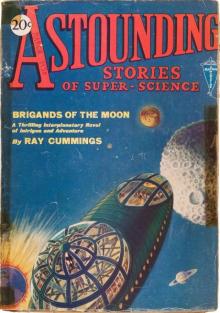 Astounding Stories of Super-Science July 1930
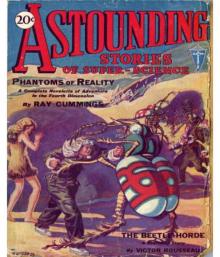 Astounding Stories of Super-Science, June, 1930
 Astounding Stories of Super-Science, October, 1930
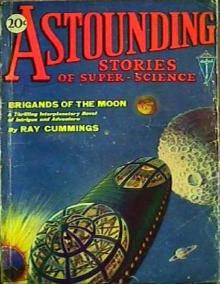 Astounding Stories of Super-Science, March 1930
 The Fantasy Fan January 1934
 The Fantasy Fan September 1933
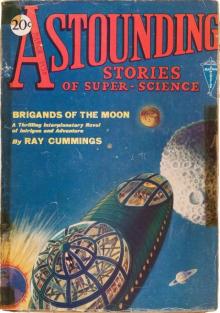 Astounding Stories of Super-Science February 1930
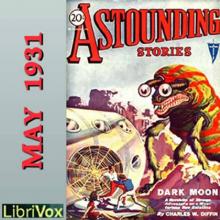 Astounding Stories, May, 1931
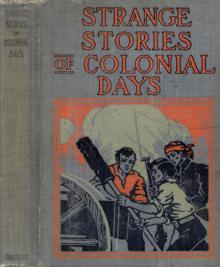 Strange Stories of Colonial Days
 Golden Age of Science Fiction Vol IX
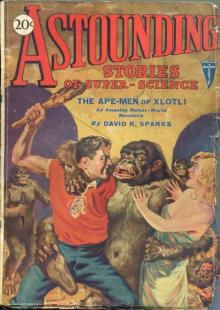 Astounding Stories of Super-Science, December 1930
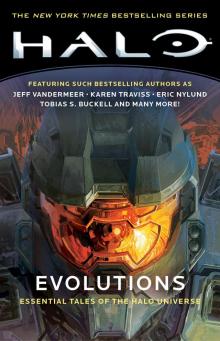 Evolutions: Essential Tales of the Halo Universe
 Good Stories Reprinted from the Ladies' Home Journal of Philadelphia
 Dragons!
 Murder Takes a Holiday
 Legacies of Betrayal
 STAR WARS: TALES FROM THE CLONE WARS
 Strange New Worlds 2016
 Lippincott's Magazine, August, 1885
 Golden Age of Science Fiction Vol X
 Hot Stuff
 Santa Wore Spurs
 Paranormal Erotica
 Tangled Hearts: A Menage Collection
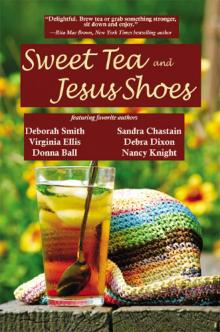 Sweet Tea and Jesus Shoes
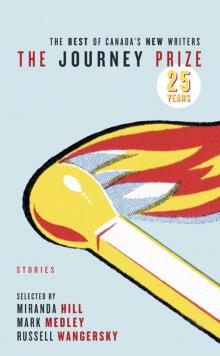 The Journey Prize Stories 25
 Wild Western Tales 2: 101 Classic Western Stories Vol. 2 (Civitas Library Classics)
 (5/15) The Golden Age of Science Fiction Volume V: An Anthology of 50 Short Stories
 (4/15) The Golden Age of Science Fiction Volume IV: An Anthology of 50 Short Stories
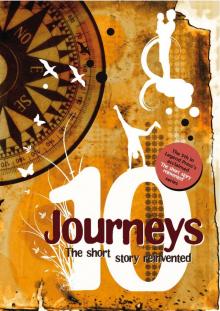 Ten Journeys
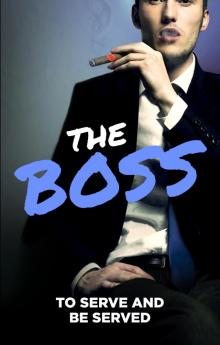 The Boss
 The Penguin Book of French Poetry
 Golden Age of Science Fiction Vol VIII
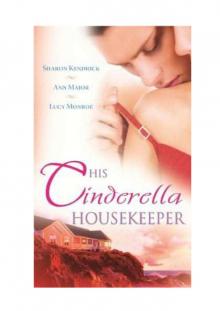 His Cinderella Housekeeper 3-in-1
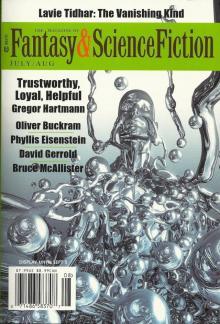 The Magazine of Fantasy & Science Fiction - July/August 2016
 PYRATE CTHULHU - Tales of the Cthulhu Mythos (vol.2)
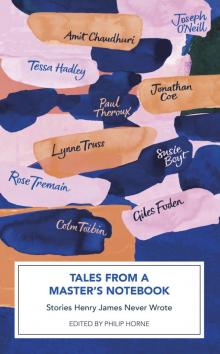 Tales from a Master's Notebook
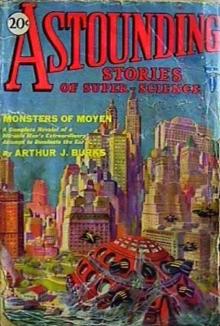 April 1930
 New Erotica 6
 Damocles
 The Longest Night Vol. 1
 The Golden Age of Science Fiction Volume VI: An Anthology of 50 Short Stories
 (1/15) The Golden Age of Science Fiction: An Anthology of 50 Short Stories
 Eye of Terra
 ONCE UPON A REGENCY CHRISTMAS
 Nexus Confessions
 Passionate Kisses
 War Without End
 Doctor Who: Time Lord Fairy Tales
 Gotrek and Felix: The Anthology
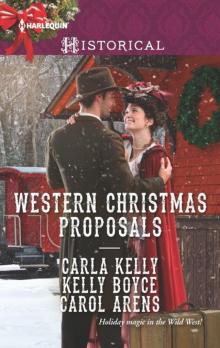 WESTERN CHRISTMAS PROPOSALS
 The Journey Prize Stories 27
 The Silent War
 Liaisons
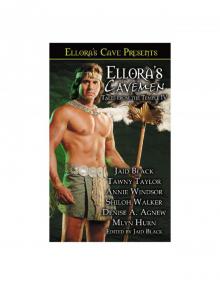 Ellora's Cavemen: Tales from the Temple IV
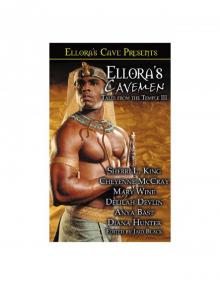 Ellora's Cavemen: Tales from the Temple II
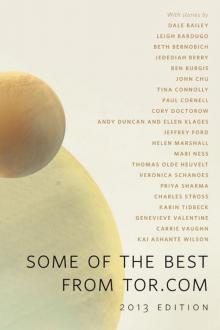 Some of the Best From Tor.com, 2013 Edition: A Tor.Com Original
 Urban Occult
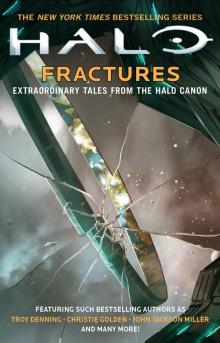 Fractures
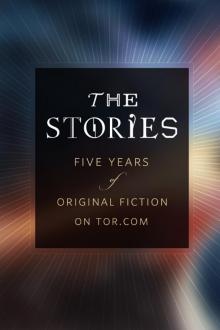 The Stories: Five Years of Original Fiction on Tor.com
 The Penguin Book of Modern British Short Stories
 Mortarch of Night
 The Portable Nineteenth-Century African American Women Writers
 The Golden Age of Science Fiction Volume VII: An Anthology of 50 Short Stories
 Holy Bible: King James Version, The
 Eight Rooms
 sanguineangels
 DarkNightsWithaBillionaireBundle
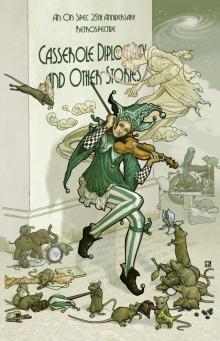 Casserole Diplomacy and Other Stories
 How I Survived My Summer Vacation
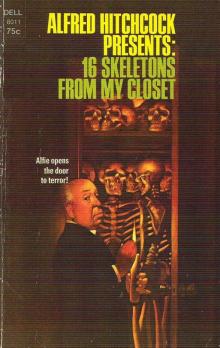 Alfred Hitchcock Presents: 16 Skeletons From My Closet
 Lords, Ladies, Butlers and Maids
 The B4 Leg
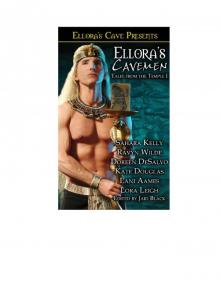 Ellora's Cavemen: Tales from the Temple I
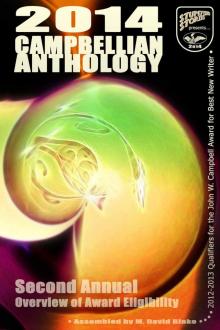 2014 Campbellian Anthology
 There Is Only War
 Obsidian Alliances
 12 Gifts for Christmas
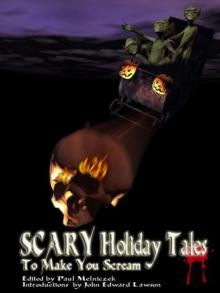 Scary Holiday Tales to Make You Scream
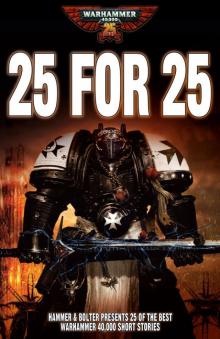 25 For 25
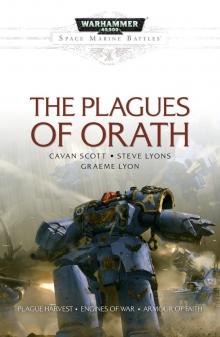 The Plagues of Orath
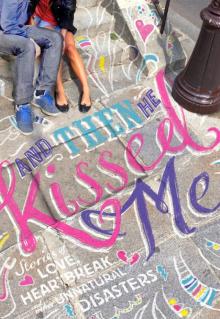 And Then He Kissed Me
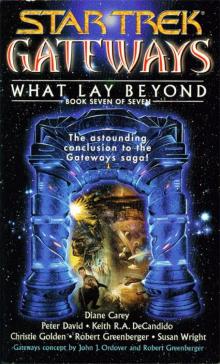 Star Trek - Gateways 7 - WHAT LAY BEYOND
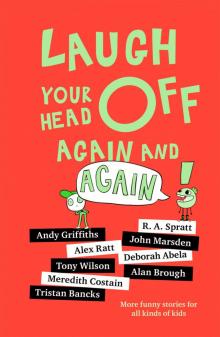 Laugh Your Head Off Again and Again
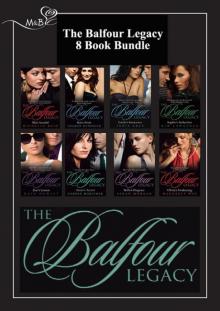 The Balfour Legacy
 Golden Age of Science Fiction Vol XI
 (3/15) The Golden Age of Science Fiction Volume III: An Anthology of 50 Short Stories
 Shas'o
 Astounding Science Fiction Stories: An Anthology of 350 Scifi Stories Volume 2 (Halcyon Classics)
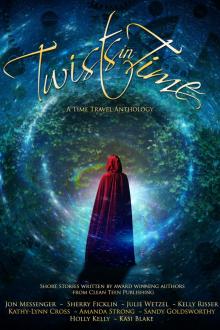 Twists in Time
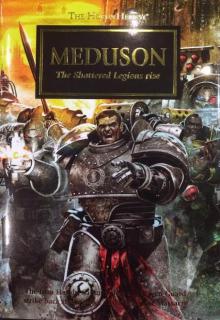 Meduson
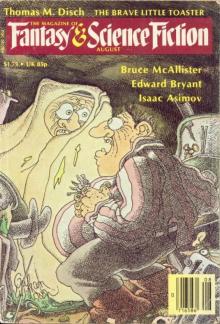 The Magazine of Fantasy & Science Fiction - August 1980
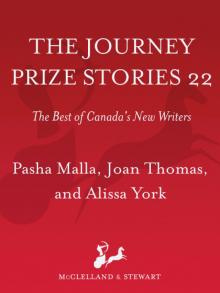 The Journey Prize Stories 22
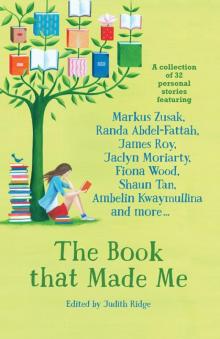 The Book that Made Me
 Angels of Death Anthology
 Ask the Bones
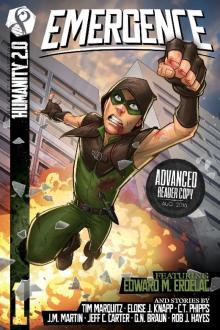 Emergence
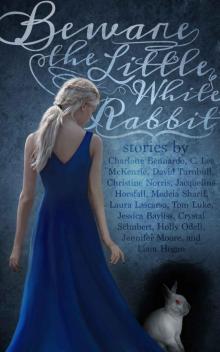 Beware the Little White Rabbit
 Xcite Delights Book 1
 Where flap the tatters of the King
 The Journey Prize Stories 21
 Tales of the Slayer, Volume II
 Glass Empires
 Golden Age of Science Fiction Vol XII
 (2/15) The Golden Age of Science Fiction Volume II: An Anthology of 50 Short Stories
 Fairytale Collection
 Angels!
 Golden Age of Science Fiction Vol XIII